


The Stellar blockchain has officially launched the Chainlink Data Feeds and Data Streams oracle infrastructure on its mainnet. The key element of the deal is purely commercial: the Stellar Development Foundation has fully taken over the operating costs of running the oracles under the Chainlink Scale program.
This decision opens external markets to a giant ecosystem of tokenized real-world assets (RWA) worth $3.54 billion, which until today had remained effectively isolated.
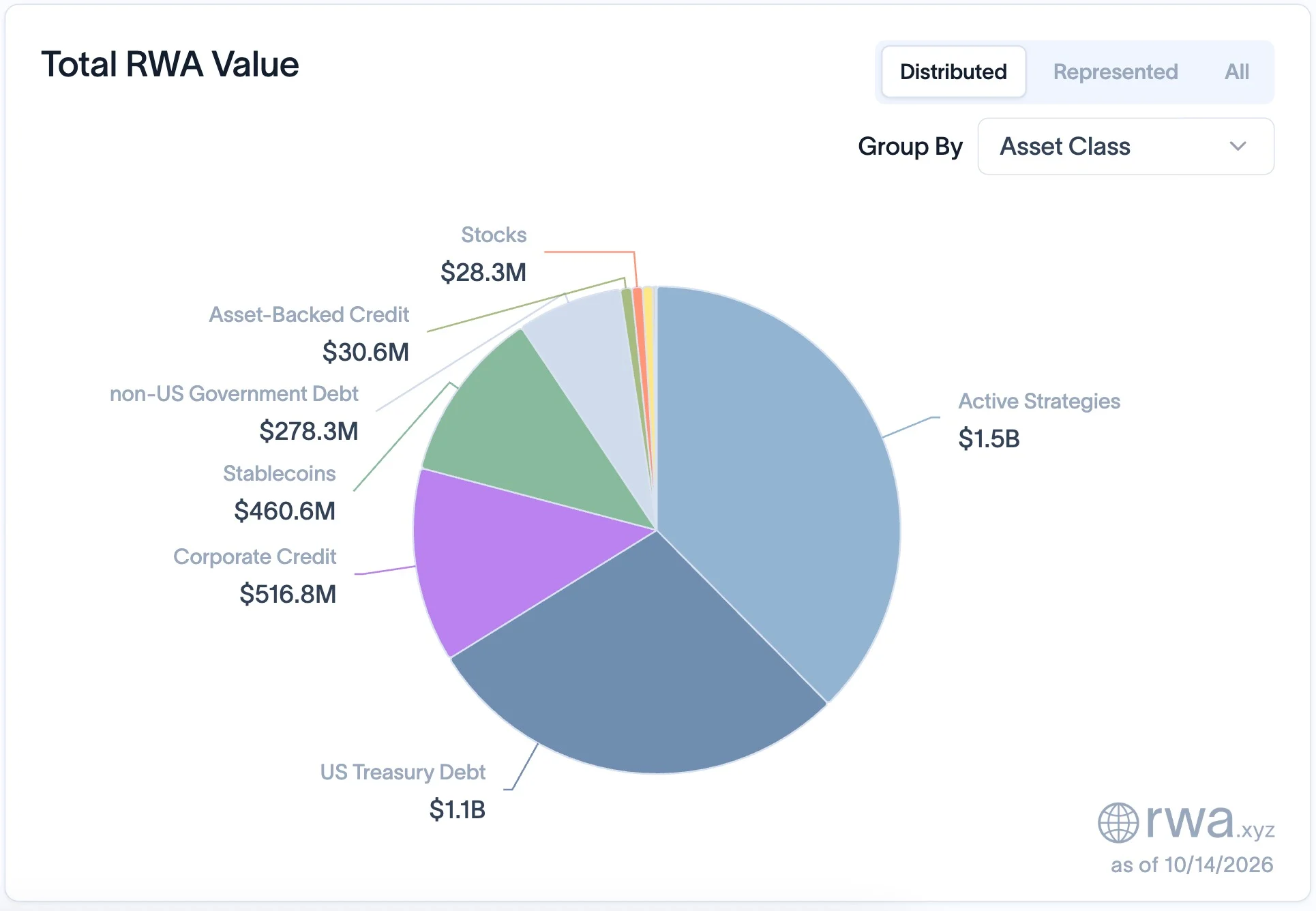
According to the latest data from the analytics tracker RWA.xyz, Stellar ranks fourth in the world among all blockchain platforms by RWA volume, trailing only Ethereum, BNB Chain, and Solana.
However, the structure of this capital is specific. It consists exclusively of conservative reserves held by major players, distributed across strictly regulated sectors.
The ecosystem's landscape is defined by the European fintech sector, led by the Spiko platform, which digitized Amundi's interbank swaps in euros, pounds, and francs, as well as Eurozone treasury bills. The American wing is represented by the public sector: secure Ondo Finance products based on US government bonds and the flagship money market fund from the investment giant Franklin Templeton.
Infrastructure liquidity is provided by Circle's regulated dollar stablecoin USDC and Figure's American stablecoin YLDS, registered with the SEC.
Why billions of dollars just sat idle on the blockchain
The thing is, the Soroban smart contracts within Stellar were completely cut off from the outside world. The network held colossal reserves of highly liquid and legitimate assets but could not build a full-fledged financial turnover around them.
They physically could not verify the exact value of these instruments in real time. Billions of dollars sat on the blockchain passively, serving as digital warehouse receipts.
It was impossible to launch even basic instruments against them. For example, it was impossible to use tokenized Ondo bonds as collateral to automatically receive stablecoins, since the system could not instantly calculate the liquidation value of the collateral at the slightest market fluctuation.
The Chainlink integration fully removes this technical barrier. Low-latency data streams deliver market quotes to Stellar smart contracts with virtually no delay.
This enables full-fledged automated lending with per-second recalculation of the collateral ratio, allows safe liquidations of large players' positions without the risk of systemic failures, and also creates a foundation for prediction markets and perpetual futures on tokenized stocks.
Since the volume of RWA transfers on Stellar grew by a quarter over the past month, and stablecoin capitalization rose by 10%, the foundation's decision to subsidize the integration looks like a pragmatic, preemptive commercial move.
By lifting the financial burden from developers, Stellar is trying to wrest the status of the main platform for structured DeFi from the market leaders, turning passive billion-dollar reserves into dynamic working capital.