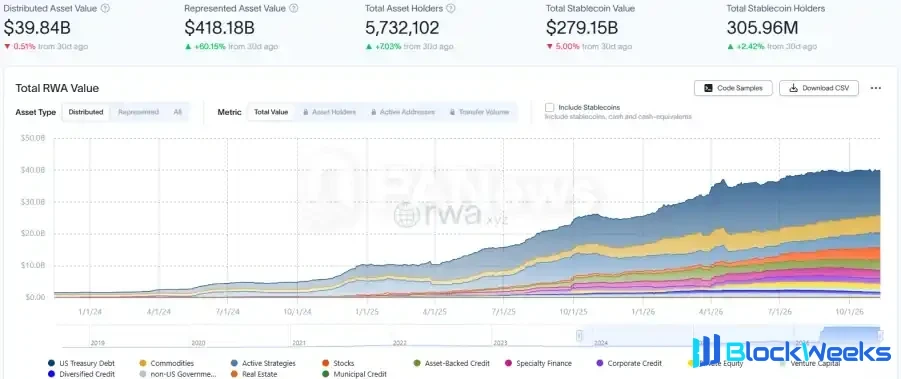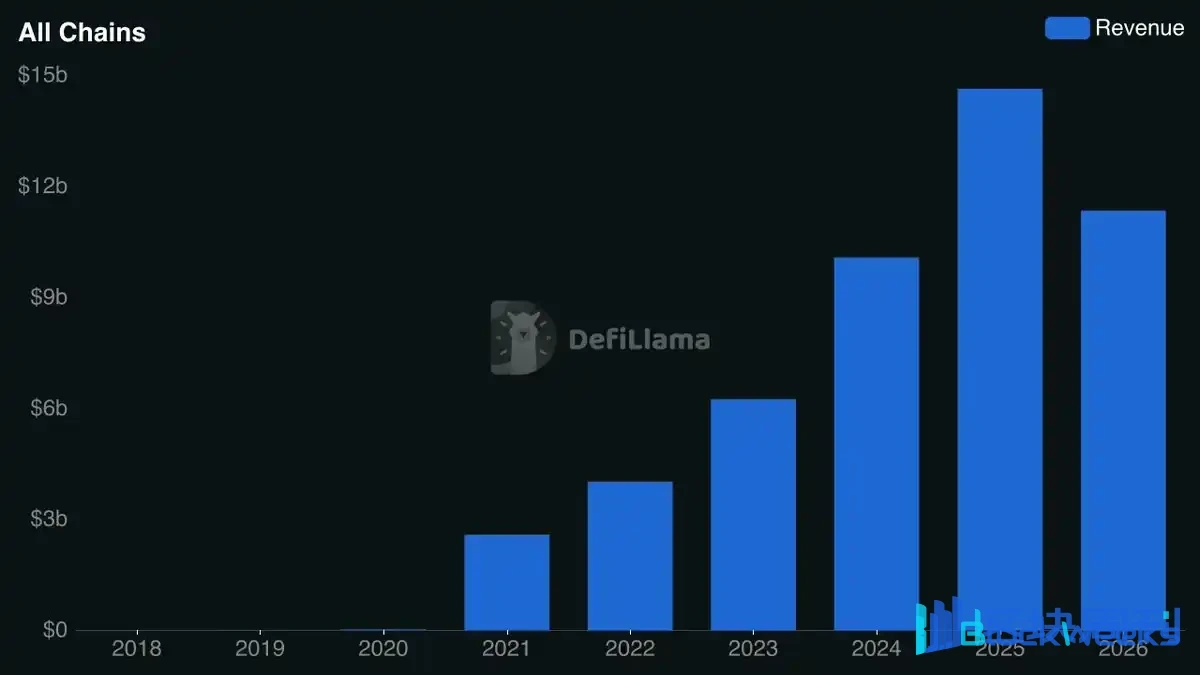


Original |Odaily Planet Daily (@OdailyChina)
Author|Golem (@web3_golem)
As Jensen Huang's extramarital affair partners were exposed one after another, the chip industry's top boss not only let down his wife and family, but also let down the wallets of tech venture capitalists.
On the evening of November 12, Jensen Huang announced his resignation before the U.S. stock market opened, and CFO Colette Kress took over as interim CEO of Nvidia. After the news was announced, Nvidia's stock price fell by more than 10% at one point, and finally closed down about 4.34%. Not only did tech and AI sector stocks suffer a sentiment blow, but it also dragged down the performance of the crypto market.
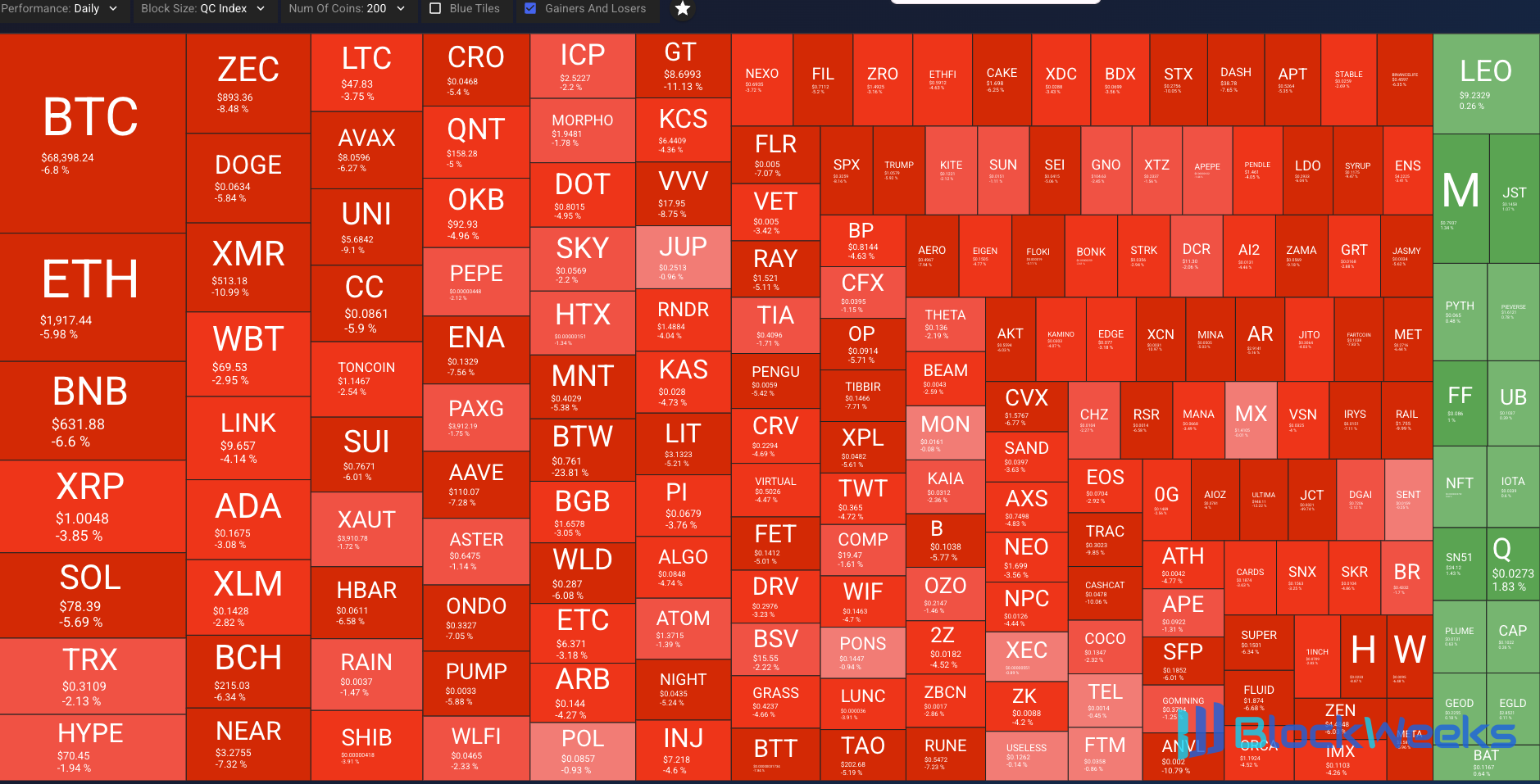
In the past 24 hours, Bitcoin fell below the $70,000 mark, with a decline of more than 7%; ETH fell below $2,000, with a decline of more than 6%. According to Quantify crypto data, in the past 24 hours, among the top 200 tokens by market capitalization in the crypto market, only 16 tokens maintained gains, while the remaining 92% were in decline.
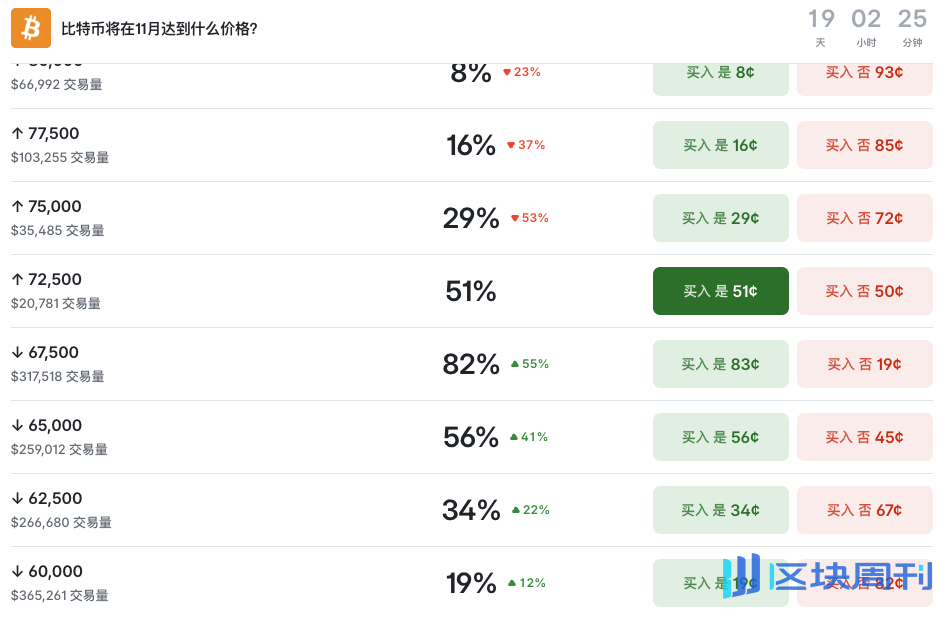
At the same time, according to Polymarket data, the probability of Bitcoin falling to $65,000 in November has risen to 56%, the probability of returning above $75,000 is only 29%, and the probability of betting that Bitcoin will continue to decline and fall below $60,000 is 19%.
The real bottom-fishing moment has not yet arrived. Jensen Huang's personal scandal and resignation are only important catalysts for today's decline, but this Bitcoin decline actually also includes the effects of macro tightening expectations and institutions tightening liquidity, among other aspects. Whether these bearish factors have been completely digested by the market is what is truly worth referencing for bottom-fishing decisions.
Bearish Factors for Bitcoin
The Underlying Driver Is Macro Tightening Expectations
On November 10, the U.S. Bureau of Labor Statistics reported that October CPI rose 0.4% month-on-month (higher than the expected 0.3%), and core CPI was also strong, rising 0.3% month-on-month, higher than the 0.2% forecast. Combined with previously strong employment data, with the probability of a 25 basis point rate hike in December exceeding 90%, the market also significantly raised the probability of a 50 basis point rate hike in December, once rising to 15%, and now falling back to 9%.
Affected by this, the yield on the U.S. 10-year Treasury note also returned above 5%, the dollar strengthened, the dollar index also approached its yearly high, and the market's risk appetite declined significantly. As a non-yielding risk asset, Bitcoin naturally bore the brunt and came under pressure in sync with gold. On November 10, Bitcoin fell below $75,000.
The market has long digested the scenario of the Federal Reserve raising rates by 25 basis points. What the market is now focused on is the probability of the Federal Reserve raising rates by 50 basis points. This Friday, the United States will release the Producer Price Index (PPI). If the data is soft, the probability of a 50 basis point rate hike will shrink, and Bitcoin may still have room to rebound; otherwise, it will face further pressure.
Institutions Are Tightening Crypto Liquidity
Another important factor putting pressure on Bitcoin's price is that institutions are tightening crypto liquidity.
According to SoSoValue data, U.S. spot Bitcoin ETFs have seen net outflows for 5 consecutive trading days, with cumulative outflows exceeding $1.4 billion. On November 11 alone, single-day net outflows reached $300 million, with IBIT/BlackRock contributing the vast majority. U.S. spot Bitcoin ETFs hold $92.7 billion worth of Bitcoin, accounting for 1.46% of Bitcoin's market capitalization. Former institutional buying has shifted from structural support to supply, which naturally weakens Bitcoin's price support.
At the same time, the supply of stablecoins is also shrinking rapidly. According to statistics, the total supply of stablecoins has decreased by $14.2 billion in the past 30 days, the largest 30-day decline since 2022. This is a core signal of "blood loss" on the demand side of the crypto market, indicating that institutional investors are not even willing to keep funds in the market waiting for bottom-fishing opportunities, but instead allocating them to other assets, further reducing crypto market liquidity.
If the data on net inflows into spot Bitcoin ETFs and stablecoin supply do not improve, then Bitcoin has not yet reached the point of bottoming out and rebounding.
Strategy (MSTR) Removed from MSCI Indexes
There is also a news-related factor in this round of decline: all three crypto treasury companies were removed from MSCI indexes. Strategy will exit the MSCI USA Index, Metaplanet will exit the MSCI Japan Small Cap Index, and Upexi will exit the MSCI USA Micro Cap Index. The reason is that they do not conform to MSCI's classification of investment/holding companies under its new rules. (Related reading: DAT hit hard again: MSCI removes three treasury companies, how long can financing to buy coins last?)
It should be noted that funds tracking the MSCI Global Investable Market Index (GIMI) hold about 13 million shares of MSTR, with a market value of about $1.487 billion. JPMorgan once estimated that forced selling would be between $1.8 billion and $2.8 billion, and if other major index providers follow suit, the scale could increase to about $8.8 billion.
Although what is being sold is not Bitcoin, this will also weaken the Bitcoin treasury narrative and slow Strategy's pace of buying coins, making market sentiment even worse when institutional demand is already weak. Strategy has already sold Bitcoin this year, and if it sells again later, it will certainly cause panic in the market as well.
What on Earth Should We Do?
At present, there is considerable market divergence over whether to bottom-fish after Bitcoin fell below $70,000 and how the market will move going forward. In the short term, sentiment is rather cautious, while in the medium and long term, many institutions and traders remain bullish.
On the institutional side, a CICC research report still believes that the Federal Reserve's policy has not clearly "fallen behind the curve," and that with financial conditions already marginally tightened, the necessity for accelerated rate hikes is not strong. Therefore, it maintains the judgment that this round of tightening will remain gradual and moderate, and believes the Federal Reserve will raise rates by 25 basis points in December.
Huobi HTX chief analyst Cloud also holds the same view, believing that the probability of a 50 basis point rate hike in December is not high. At the same time, Cloud believes that the crypto market Fear and Greed Index has fallen into the extreme fear range, leverage has been cleared relatively thoroughly, and the room for Bitcoin to continue falling deeply in the short term is limited. But overshooting does not mean an immediate rebound; it is necessary to wait for confirmation of CPI falling in the next two months.
glassnode posted today that demand for Bitcoin in the U.S. market has clearly fallen silent. Throughout the entire correction since Bitcoin's September high, the Coinbase Premium Index has remained in negative territory, and its 30-day average has fallen to the lowest level since February this year. But it also said that there have previously been multiple rallies that started from the current level of deeply negative premium.
In terms of trader operations, most remain cautious. Well-known trader Killa posted today that Bitcoin is currently testing a key price level near the 2021 bull market high, which may be the last important support zone at present. If Bitcoin fails to stage an effective rebound in this zone, the price may further decline and set a new low.
Trader "First Set 10 Big Goals" latest stated that he has closed all leveraged positions at the current price level (68,000-69,000 USD), temporarily choosing to control risk and preserve capital. Previously, he had stated that 76,000 to 78,000 USD was his planned range to re-enter a full long position, and insisted that 58,000 USD is the bottom of this round of BTC, expecting Bitcoin to rise to 120,000 USD within this year.
Some traders could not hold back and have already bought the dip. Trader Michaël van de Poppe posted on the X platform today that he is buying the dip in Bitcoin, citing that current market sentiment is extremely poor but Bitcoin has only fallen about 20%; the price is slightly below the 200-day moving average, which is a support zone with abundant liquidity; in addition, based on historical patterns, Bitcoin typically bottoms before major IPOs (the example of the SpaceX IPO).
Related Reading
BTC falls to 68,000 USD, hitting a 3-month low, AI capital chain has not returned to crypto