







U.S. Treasury Secretary Scott Bessent has said authorities have located about $1 billion in Iran-linked cryptocurrency that they could seize this week as Washington presses ahead with financial restrictions against Tehran.
Summary
- Bessent said U.S. authorities could seize $1 billion in Iran-linked cryptocurrency during the week.
- Treasury sanctioned 17 vessels on Oct. 8 over alleged shipments of Iranian petroleum products.
- Tether reported approximately $550 million in Iran-linked USDT freezes during 2026.
- Chainalysis estimated Iran’s cryptocurrency ecosystem handled more than $7.78 billion in activity during 2025.
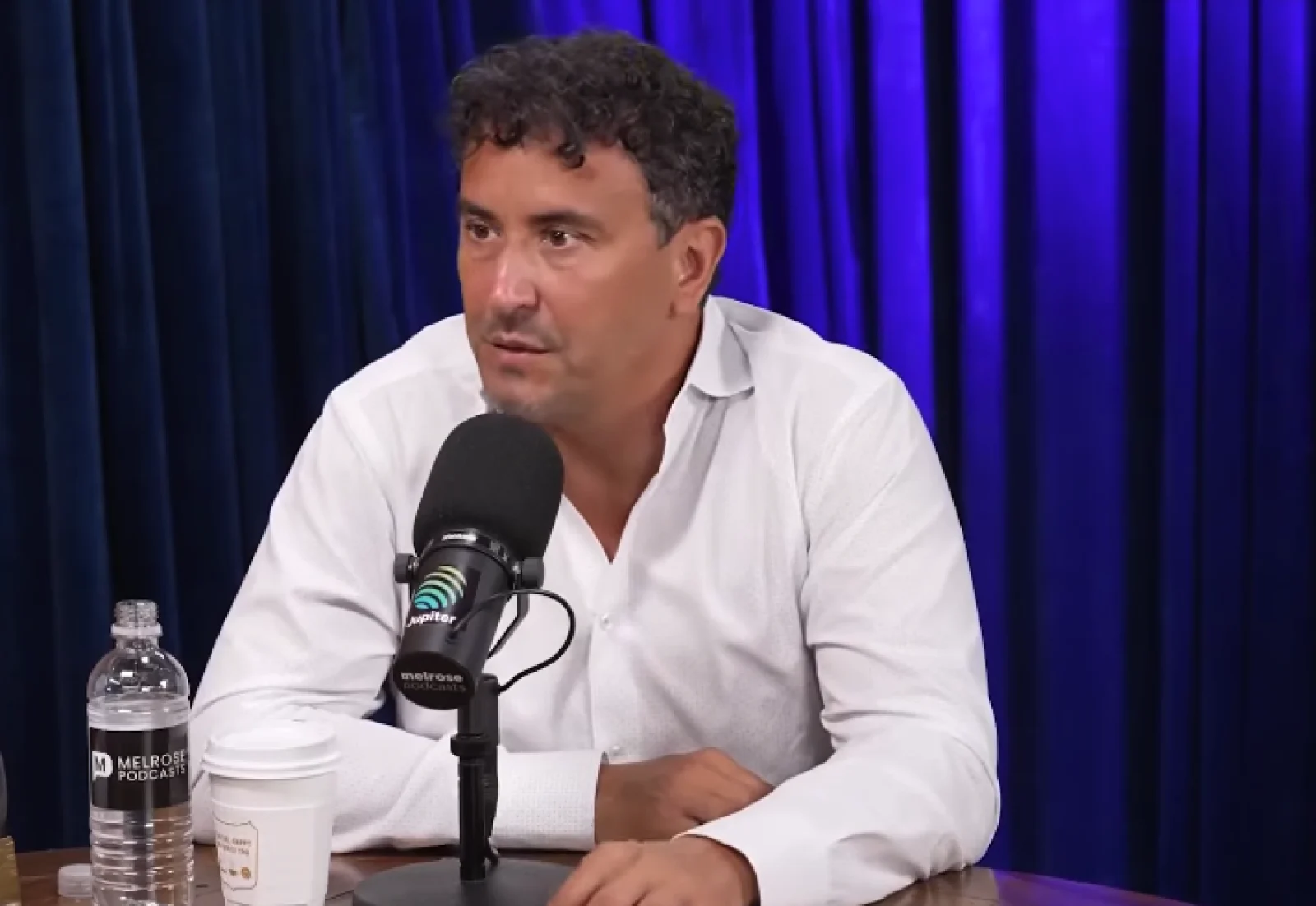
Scott Bessent said at Newsmax’s NPolicy Summit in Washington on Oct. 8 that officials knew where the cryptocurrency was held and were working to isolate the assets.
“We’re probably gonna seize a billion dollars of crypto this week,” he said.
During the interview with Greta Van Susteren, the Treasury secretary described Washington’s approach as an “absolute isolation campaign,” encompassing financial restrictions, maritime controls and limits on international travel.
According to The Block’s report, Bessent did not establish whether the targeted $1 billion would be additional to amounts previously announced by U.S. authorities. His latest remarks described a possible seizure rather than a completed transfer of the assets into government custody.
Iran-linked crypto has faced earlier wallet freezes
As crypto.news reported on Sep. 28, Tether put its Iran-linked USDT freezes for 2026 at approximately $550 million, citing cooperation with the Treasury Department’s Office of Foreign Assets Control and U.S. law enforcement.
In Tether’s account, more than $344 million was frozen across two addresses in April after U.S. authorities supplied information about the wallets. The company said OFAC added the addresses to the Central Bank of Iran’s sanctions entry the following day.
For July, the issuer reported more than $130 million frozen across four additional TRON wallets as Treasury added the addresses to the central bank’s designation.
Under the freezing policy described by Tether, blocked USDT cannot move from the affected addresses. September court filings described a separate U.S. effort to forfeit $61.2 million in USDT across ten TRON addresses that Tether had frozen in 2025.
According to those filings, a Sep. 14 warrant authorized the FBI to take custody of the tokens, while the civil forfeiture complaint sought government ownership. Prosecutors associated the funds with alleged Iranian oil proceeds.
Treasury sanctions have reached exchanges and foreign firms
In coverage published Sep. 3, Bessent identified digital assets as targets for possible further restrictions alongside airlines and maritime businesses, according to Reuters’ account of his remarks.
Treasury launched Operation Economic Outcast on Aug. 24, extending sanctions authority over Iran’s digital asset sector and other parts of its economy. The department said the measures could reach foreign people and companies operating in or supporting the covered sectors.
Under that campaign, Treasury accused Russian national Yuri Obukhov of processing more than $100 million in cryptocurrency connected to Iranian oil sales since 2023. The department alleged that he worked with an IRGC-linked network converting oil revenue into digital assets.
An Aug. 7 report detailed Treasury’s sanctions against two exchanges, Shelbit and Aban Tether, along with Iranian national Siavash Kayvanpour and companies associated with him.
OFAC alleged that IRGC-linked wallets sent more than $1 million to Shelbit addresses and that Shelbit-linked wallets transferred over $2 million to IRGC-controlled addresses. Treasury also alleged that Kayvanpour-controlled wallets sent more than $2 million to Nobitex.
According to OFAC’s stated restrictions, U.S. people and businesses generally cannot provide funds or services to designated parties without an applicable authorization. The restrictions also cover entities owned at least 50% by blocked parties, even when those entities are not separately named.
October sanctions target 17 vessels carrying Iranian oil
On Oct. 8, Treasury announced sanctions against 17 vessels it accused of transporting millions of barrels of Iranian crude oil, petroleum and petrochemical products to South and East Asian markets.
The department said the vessels used registrations across more than a dozen jurisdictions and international front companies to support their operations. Treasury imposed the designations under Executive Order 13902, which covers Iran’s petroleum sector among other industries.
For companies outside the United States, Treasury warned that facilitating Iranian money laundering or sanctions evasion could lead to exclusion from the U.S. financial system.
Separately, Reuters reported that President Donald Trump said on Oct. 8 that Washington would not attack Iran before the Nov. 3 congressional midterm elections. Trump described discussions with Tehran as productive, according to the report.
Blockchain researchers trace billions in Iranian activity
In its analysis, Chainalysis estimated Iran’s cryptocurrency ecosystem reached more than $7.78 billion in 2025. The firm said IRGC-associated addresses accounted for over half of the value received during the fourth quarter.
Across 2025, those addresses received more than $3 billion, up from over $2 billion in 2024, according to Chainalysis. The firm described its figures as minimum estimates based on identified addresses, excluding potentially connected wallets and intermediaries that had not been attributed.
TRM Labs separately reported more than $3.84 billion in blockchain flows between CoinEx and Iranian entities over more than seven years. Its research identified approximately 6.2 million transfers worth $2.7 billion between CoinEx and Nobitex.
For June 2025 through June 2026, TRM traced about $67 million originating from the Central Bank of Iran into CoinEx addresses across multiple blockchains.
In a June 25 response, CoinEx denied Iranian state ties and disputed the interpretation of aggregate transaction flows. The exchange said it had no commercial relationship with Iranian government-linked entities, domestic exchanges, the IRGC or sanctioned parties.
According to the exchange, its compliance response included stronger checks on Iranian users, blocked registrations from Iranian regions and an exit process for identified accounts. CoinEx also said it expanded geographic access controls, sanctions screening and transaction monitoring.