In brief
- Proton users are reporting subscription cancellations and calling for CEO Andy Yen to resign.
- Yen reportedly called a request for additional security testing “loser thinking” while pushing faster AI adoption.
- The company canceled planned AI re-interviews, then published a manifesto defending its engineering overhaul.
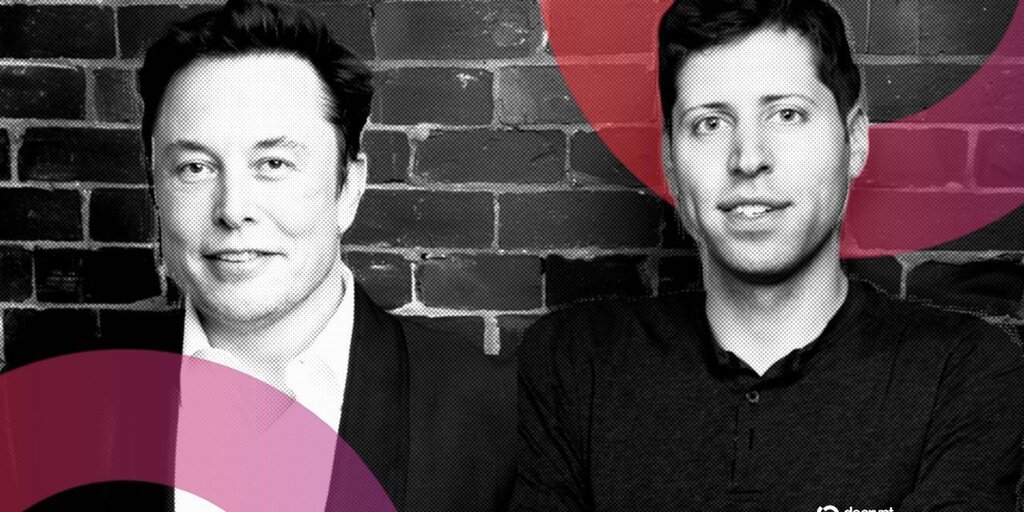
Proton users are reporting subscription cancellations after revelations that CEO Andy Yen pressured engineers to embrace AI and dismissed a request for more security testing as “loser thinking.”
The Swiss privacy company has since canceled planned employee assessments of AI use.
The backlash cuts into Proton’s main selling point—trusting it with information people want kept private. Its encrypted email service scrambles messages to protect their contents, and customers questioning its development practices are asking whether faster releases could come at their expense.
Open until resolution
A Proton employee asked the company in August for a few days to pentest new code, meaning specialists would try to break into it before release, per 404 Media. Yen replied: “That’s bullshit and loser thinking. Of course it’s possible to be fast and secure.”
He also urged staff to stop writing code by hand and use more AI, and mentioned that he’d be reinterviewing its staff to see if and how they are using AI to do their job, the outlet reported. Its investigation drew on nine current and former employees, internal messages, and meeting recordings.
This didn’t land well among users, and customers have responded with cancellation notices and demands for new leadership on social media such as Reddit. A proposal on Proton’s feedback forum calling for Yen to step down had 2,020 votes when reviewed, alongside comments from users saying they had canceled subscriptions or would not renew.
Besides the blind use of AI, some former and current Proton employees on Reddit and social media have documented a toxic work culture, especially from the CEO.

BitcoinBTC · USD
$76,991−3.75%
Oct 26Oct 28Oct 30Nov 1Nov 2
$81.8k$80.1k$78.4k$76.7k
24h HighHigh$78,728
24h LowLow$77,236
VolVol$912.8M
 →
Buy Bitcoin with USDC
Powered by Jupiter
Those posts document anger, rather than a verified count of departing customers. Canceling a paid plan also does not necessarily mean deleting an account.
Proton’s AI ambitions predate this dispute. Its Lumo chatbot comes with protections against using conversations to train AI, but internal use of AI was not among Proton’s selling points, even in the peak of the chatbot hype.
To address concerns over irresponsible use of AI, on November 1, technology chief Bart Butler published an engineering manifesto arguing that developers should direct large language models, AI systems that generate text and code, rather than treat them as occasional assistants.
Butler compared manual coding to memorizing phone numbers, and envisioned eventually ending most human code review. He also insisted that expertise and testing remain essential, with engineers accountable for work that models cannot reliably handle.
“Your job has fundamentally changed. It is no longer to write code, and LLMs are not here to help you write better code faster,” the manifesto reads. “Your job is to help the LLM write better code faster.” Doubling on its stance, Proton sees avoiding AI as an “existential threat” to the success of its very mission.
“‘Programming’ is dead. Engineering is not,” Buttler told his own team. “Your old job is gone”.
The document also calls for company-wide investment in automation, arguing that generating code faster achieves little if approvals and other development steps remain slow. Butler described that overhaul as the next phase of adoption.
AI tools can introduce security problems of their own. For example, Microsoft researchers said a now patched Claude flaw could expose secret access credentials through malicious instructions hidden in material the coding assistant reviewed.
They can also help find weaknesses: Google’s PageBreak system searches its applications for exploitable bugs and checks whether attacks actually work.
Proton acknowledged to 404 Media that management had sometimes communicated too bluntly and that employees were anxious. Its public manifesto nevertheless argues that failing to adopt AI quickly threatens the company’s ability to compete.
Yen canceled the re-interviews on October 30. The assessments would have required staff to explain their AI use, with employees fearing their answers could determine whether they kept their jobs.
Join 72,000+ readers
Create an account to save your articles.
Add Decrypt as your preferred source to see more of our stories on Google.